

Request an Appointment or Give us a call
What is Rapid Recovery Knee Replacement?
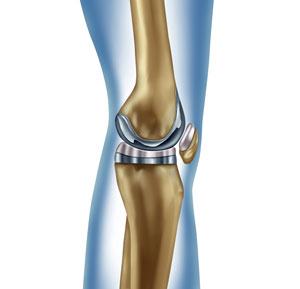
Rapid recovery knee replacement, also known as an outpatient knee replacement, is an innovative procedure that is performed to replace a damaged knee joint with a prosthesis using minimally invasive techniques and surgical instruments that minimize post-operative pain and discomfort and promote faster recovery for patients. Traditionally, the surgery was performed through a large incision and the patient was required to stay in the hospital for several days.
What is Anatomy of the Knee?
The knee is made up of the thighbone (femur), the shinbone (tibia), and the kneecap (patella). The lower part of the thighbone meets the upper part of the shinbone at the knee joint. A small disc of bone called the kneecap (patella) rests on the front side of the femoral end. The bones are held together by protective tissues, ligaments, tendons, and muscles. Synovial fluid within the joint aids in the smooth movement of the bones over one another. Crescent-shaped cartilage called the meniscus is present between the femur and tibia and acts as a cushion that helps in absorbing shock during weight-bearing activities.
What are the Indications for Rapid Recovery Knee Replacement?
Rapid recovery knee replacement is mainly indicated for patients that are relatively healthy without any serious comorbid conditions, that are motivated to actively participate in their recovery by performing the physical therapy exercises as recommended, and that have realistic expectations of the surgical outcome.
What is the Procedure for Rapid Recovery Knee Replacement?
Rapid recovery knee replacement procedure is usually performed by minimally invasive methods, which include:
- The surgery is generally performed under sedation and regional anesthesia to help ensure a faster recovery.
- A small incision will be made on the skin over the knee joint and minimally invasive instruments are inserted through the incision to perform the surgery.
- The surrounding muscles and tendons are not damaged, which promotes faster recovery.
- The damaged bone is removed and the bone surface is prepared to receive the implants.
- A prosthetic implant is then placed and secured with bone cement.
- Your surgeon will then test the range of motion of the knee joint.
- The incisions will be then closed with sutures.
What are the Postoperative Instructions for Rapid Recovery Knee Replacement?
You will start your rehabilitation a few hours after the surgery. Your doctor will advise you on physical therapy exercises that you should perform and you will be discharged from the hospital on the same day as the surgery or on the next day. Your doctor will prescribe pain medications and give specific instructions on the use of braces and crutches for faster recovery and to reduce post-operative issues.
What are the Risks of Rapid Recovery Knee Replacement?
As with any surgical procedure, there is a minimal risk of infection, bleeding, delayed healing, or failure of the implant.
What are the Benefits of Rapid Recovery Knee Replacement?
The benefits of rapid recovery knee replacement include:
- Short hospital stay
- Small surgical incision
- Less blood loss
- Low risk of hospital infection
- Reduced pain
- Decreased post-operative complications
- Lowered cost
- Less damage to surrounding tissues
If you wish to be advised on the most appropriate treatment, please call to schedule an appointment or click to request an appointment online.